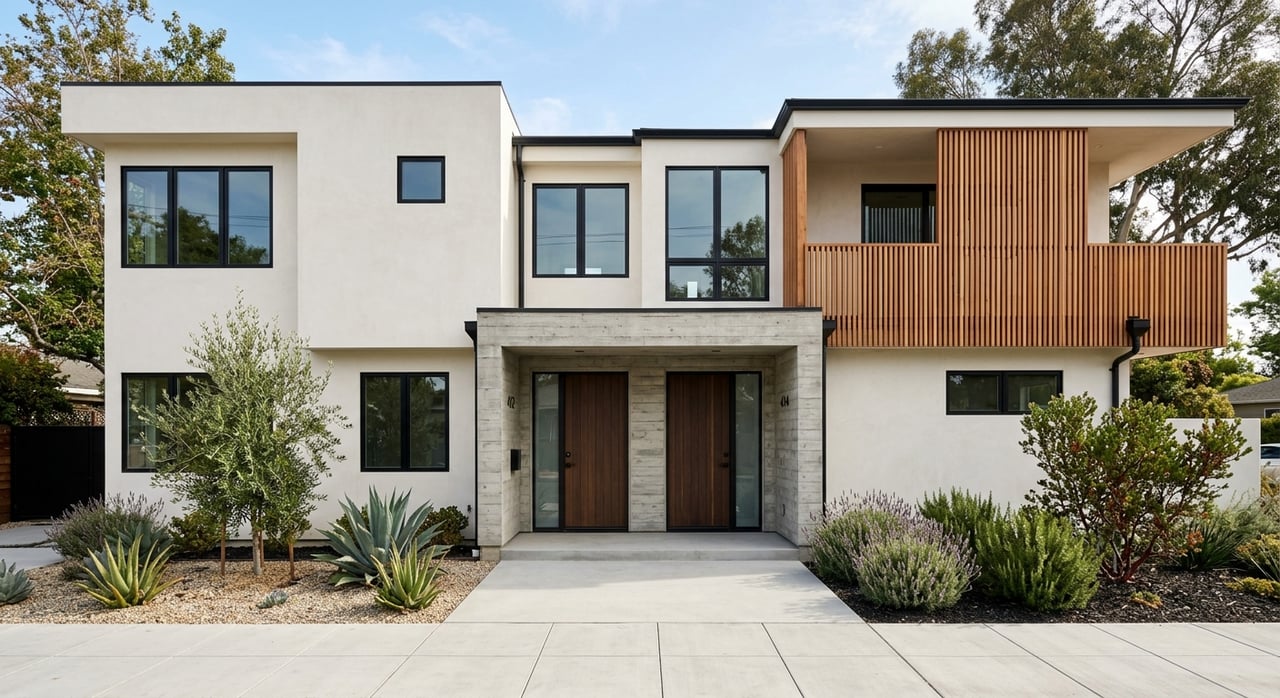
Choosing a Los Angeles neighborhood can feel overwhelming because there is no single “LA lifestyle.” Your day-to-day experience can change a lot from one area to the next, whether you care most about transit access, outdoor routines, housing style, or how much space you want at home. The good news is that you can make the search much clearer by matching neighborhoods to how you actually live, not just by looking at citywide averages. Let’s dive in.
Why lifestyle fit matters in Los Angeles
Los Angeles works best when you think about it at the neighborhood level. The city is organized into 34 Community Plan Areas, and that structure reflects how different each part of LA can feel in daily life.
That difference shows up in housing, transportation, and routine. According to the U.S. Census QuickFacts for Los Angeles, the city has a 36.0% owner-occupied housing rate, a median owner value of $921,200, a median gross rent of $1,933, and a mean travel time to work of 30.7 minutes. Those numbers help set expectations, but they do not tell you which neighborhood will feel right for your schedule and priorities.
Start with your daily routine
Before you compare listings, it helps to define what you want your typical week to look like. In Los Angeles, the right fit often comes down to built form and daily rhythm more than anything else.
A few helpful questions to ask yourself include:
- Do you want to be close to restaurants, museums, and nightlife?
- Would you prefer more space, storage, and easier parking?
- Is rail or bus access important for your commute or free time?
- Do you want your weekends to center around beaches, trails, or waterfront activity?
- Are you drawn to lofts, condos, detached homes, or newer townhome-style options?
When you answer those questions first, your search becomes more strategic and a lot less stressful.
Urban and transit-first neighborhoods
If you want your life to feel connected, active, and close to amenities, urban neighborhoods may be the best match. This lifestyle usually prioritizes shorter trips to dining, arts, and entertainment over larger lots or lower density.
Downtown Los Angeles for city energy
Downtown Los Angeles is one of the clearest examples of an urban lifestyle. LA Tourism describes DTLA as a collection of distinct districts with historic sites, museums, galleries, street art, boutique hotels, and innovative restaurants.
For many buyers, that means a faster-paced daily experience with more activity close by. Housing here often includes apartments, condos, loft conversions, and mixed-use buildings, which can appeal if you value access and convenience more than private outdoor space.
Arts District for a creative urban feel
If you like an urban setting with a design-forward edge, the Arts District stands out. LA Tourism notes that the area evolved from a manufacturing zone into a neighborhood known for galleries, breweries, street art, and live-work lofts.
This is also a useful example of how LA housing stock can shape lifestyle. Adaptive reuse has influenced much of the area, and the city’s adaptive reuse ordinance shows how older buildings and newer policy can create distinct living options in the urban core.
Transit access and car-light living
For buyers who want to reduce driving when possible, transit access can be a major part of the decision. Metro’s system maps show how rail, busway, and regional lines connect across the city, while LADOT DASH service and broader transit links add options in downtown and other neighborhoods.
That does not mean every block supports a truly car-light lifestyle, but it does mean some areas make that goal more realistic than others. If this matters to you, it is worth evaluating not just the home, but also the distance to rail, bus, and local circulator routes.
Space-first neighborhoods and suburban patterns
If your ideal setup includes more room, quieter streets, or practical features like storage and parking, you may be happier in areas shaped by lower-rise development. In Los Angeles, these neighborhoods can offer a very different feel from the urban core.
Why built form changes your experience
City Planning notes that many neighborhood districts are generally one- or two-story low-rise structures, especially in suburban areas, with local-serving uses intended to minimize automobile trips and encourage walking within the district. You can see that framework in the city’s planning guidance.
In practical terms, this often translates into tradeoffs that matter every day. You may find more lot space, easier parking, and a calmer street pattern, but you may also rely more on driving for work or errands depending on the exact location.
The San Fernando Valley as a space-oriented example
The San Fernando Valley is a strong example of this category. According to LA Tourism’s Valley factsheet, the area includes open space, dining districts, venues, and public spaces, along with transit connections such as the Metro B Line, Metro G Line, Metro Bus, and DASH.
For many buyers, the Valley represents a middle ground. You can often find a more space-oriented environment while still having access to amenities and transportation options, depending on the neighborhood.
Housing options beyond detached homes
A space-first search does not always mean a traditional single-family house. Los Angeles planning policy shows a broader housing mix that can include duplexes, ADUs, small-lot townhomes, and cottage-style formats through efforts like Missing Middle LA.
That matters if you want flexibility. You may be able to balance space, budget, and future potential by looking at townhomes, low-rise multifamily options, or homes with ADU possibilities rather than limiting yourself to one property type.
Creative and culture-driven neighborhoods
Some buyers care most about being near galleries, restaurants, performance spaces, and visually distinct surroundings. If that sounds like you, lifestyle fit may come down to creative energy more than square footage.
Where culture shapes the neighborhood feel
Downtown Los Angeles and the Arts District are two of the clearest examples of this pattern. The combination of museums, street art, adaptive reuse buildings, and destination dining can create a neighborhood experience that feels highly design-aware and active.
This kind of match often works well for buyers who want their surroundings to feel inspiring and connected to the city’s cultural life. It can also be a good fit if you are open to lofts, condos, or mixed-use settings that support that rhythm.
Coastal and outdoors-driven neighborhoods
If your ideal week includes beach walks, biking, waterfront dining, or simply being outside more often, coastal neighborhoods may be the strongest match. In Los Angeles, coastal living can still vary a lot depending on the area.
Venice for beach access and activity
Venice offers one of the city’s most recognizable outdoor-oriented lifestyles. The area includes canals, boardwalk activity, murals, Abbot Kinney shopping, beach recreation, and a mix of renovated older homes and newer homes around the canal district.
For buyers, that often means choosing a neighborhood where outdoor activity is part of everyday life. The tradeoff may be a busier environment and a different housing mix than you would see in more space-oriented parts of LA.
San Pedro for a different coastal pace
If you want an ocean-oriented setting with a different feel, San Pedro and the Los Angeles Waterfront offer another version of coastal living. Highlights include Cabrillo Beach, the Cabrillo Marine Aquarium, the Los Angeles Maritime Museum, waterfront redevelopment at West Harbor, and the San Pedro Arts, Culture and Entertainment District.
This can appeal if you want coastal access combined with public spaces, cultural attractions, and a working waterfront identity. It is a good reminder that “coastal LA” is not one thing, and your best fit depends on the pace and setting you prefer.
How to compare neighborhoods clearly
Once you know your lifestyle priorities, compare neighborhoods using a simple framework. This keeps your search grounded in the factors that will shape your day-to-day experience.
Focus on these categories:
- Commute and travel time: How long will work, errands, and regular activities take?
- Transit access: Are rail, busway, or DASH options nearby if that matters to you?
- Housing type: Are you seeing lofts, condos, detached homes, townhomes, or low-rise multifamily?
- Outdoor access: Do you want beaches, parks, open space, or walkable activity nearby?
- Amenities and culture: Are restaurants, museums, galleries, or entertainment part of your ideal routine?
- Practical tradeoffs: How important are parking, storage, yard space, or future flexibility?
This approach is especially helpful if you are deciding between very different parts of the city. It lets you compare how a neighborhood supports your lifestyle, not just what a listing looks like online.
A smarter way to narrow your search
In Los Angeles, citywide averages only tell part of the story. A better approach is to match neighborhoods to the way you want to live: urban and transit-first, space-first and suburban in feel, creative and culture-driven, or coastal and outdoors-focused.
When you look at LA through that lens, your choices become easier to evaluate. You can weigh housing style, commute patterns, and daily convenience with more confidence, which usually leads to better long-term decisions.
If you want help narrowing down the right Los Angeles neighborhoods for your goals, budget, and lifestyle, Ravi Sharma offers a calm, analytical approach designed to help you move forward with clarity. Schedule a free consultation.
FAQs
What is the best way to choose a Los Angeles neighborhood for your lifestyle?
- Start by identifying your daily priorities, such as commute, transit access, outdoor activities, housing type, and how much space you want, then compare neighborhoods based on those factors.
Which Los Angeles neighborhoods fit an urban lifestyle?
- Downtown Los Angeles and the Arts District are strong examples for buyers who want close access to dining, arts, cultural attractions, loft-style housing, and transit connections.
Which Los Angeles areas fit a space-first lifestyle?
- Lower-rise and more suburban-pattern neighborhoods, including parts of the San Fernando Valley, may appeal if you want more room, storage, parking, or a quieter street layout.
Which Los Angeles neighborhoods fit a coastal lifestyle?
- Venice and San Pedro each offer ocean-oriented living, but with different rhythms, amenities, and housing environments, so the right choice depends on how you want to spend your time.
Does Los Angeles offer more than single-family homes?
- Yes. Depending on the area, you may find condos, apartments, lofts, duplexes, ADUs, townhomes, and other small-scale housing formats in addition to detached homes.
